Why Is Your Air Conditioner Leaking Water Indoors?
Water dripping from the indoor unit onto your wall or floor is one of the most common AC faults — and one of the most preventable. Here’s what causes it and how it’s fixed.
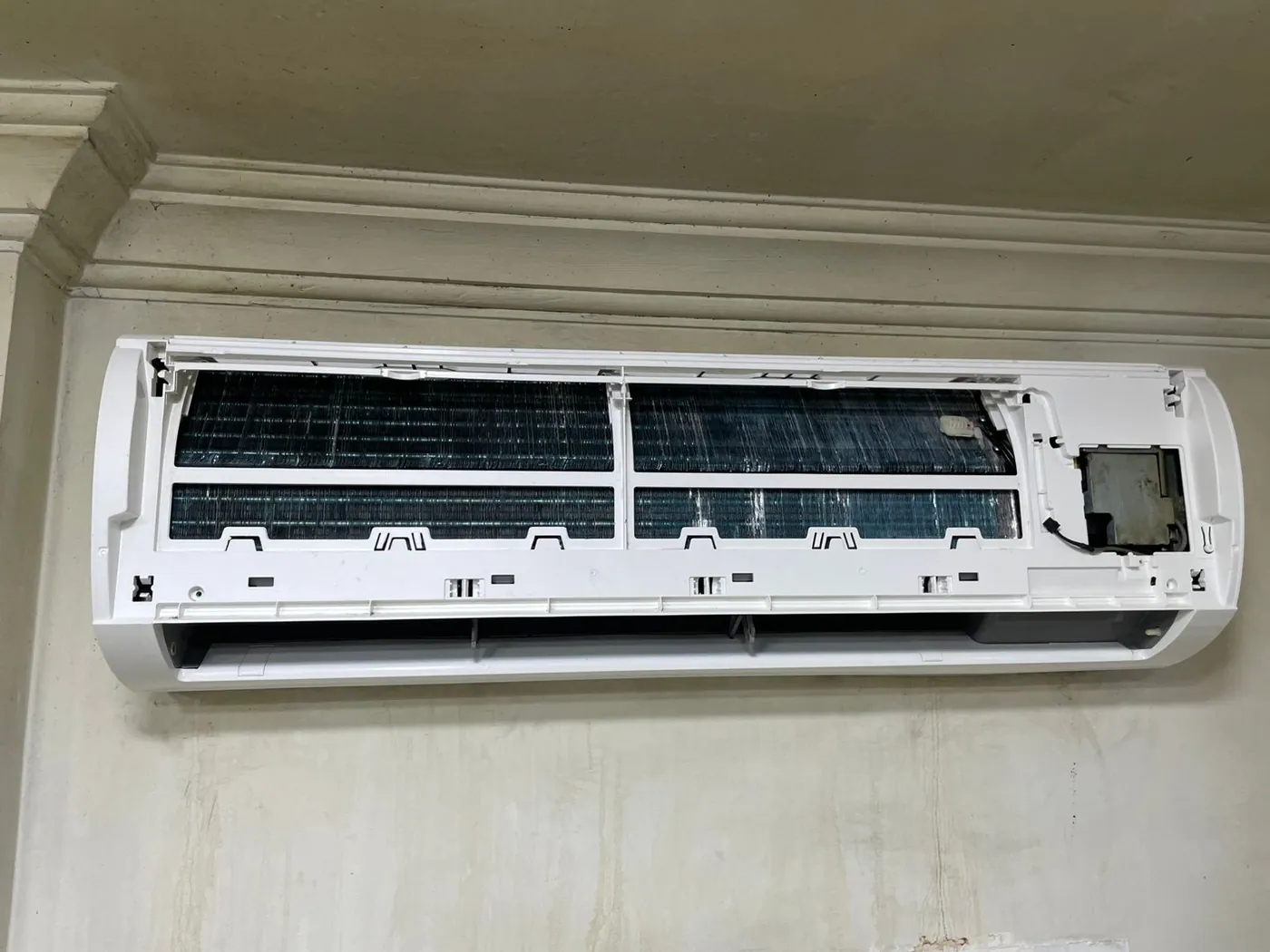
Water trickling down the wall from your indoor unit, or dripping onto the floor, is one of the calls we get most in Batumi — especially in our humid summer when the unit pulls litres of moisture out of the air every day. The good news: most water leaks come from a handful of causes, several of which you can check yourself. Here’s why an air conditioner leaks water indoors and how each cause is fixed.
A blocked condensate drain (the usual culprit)
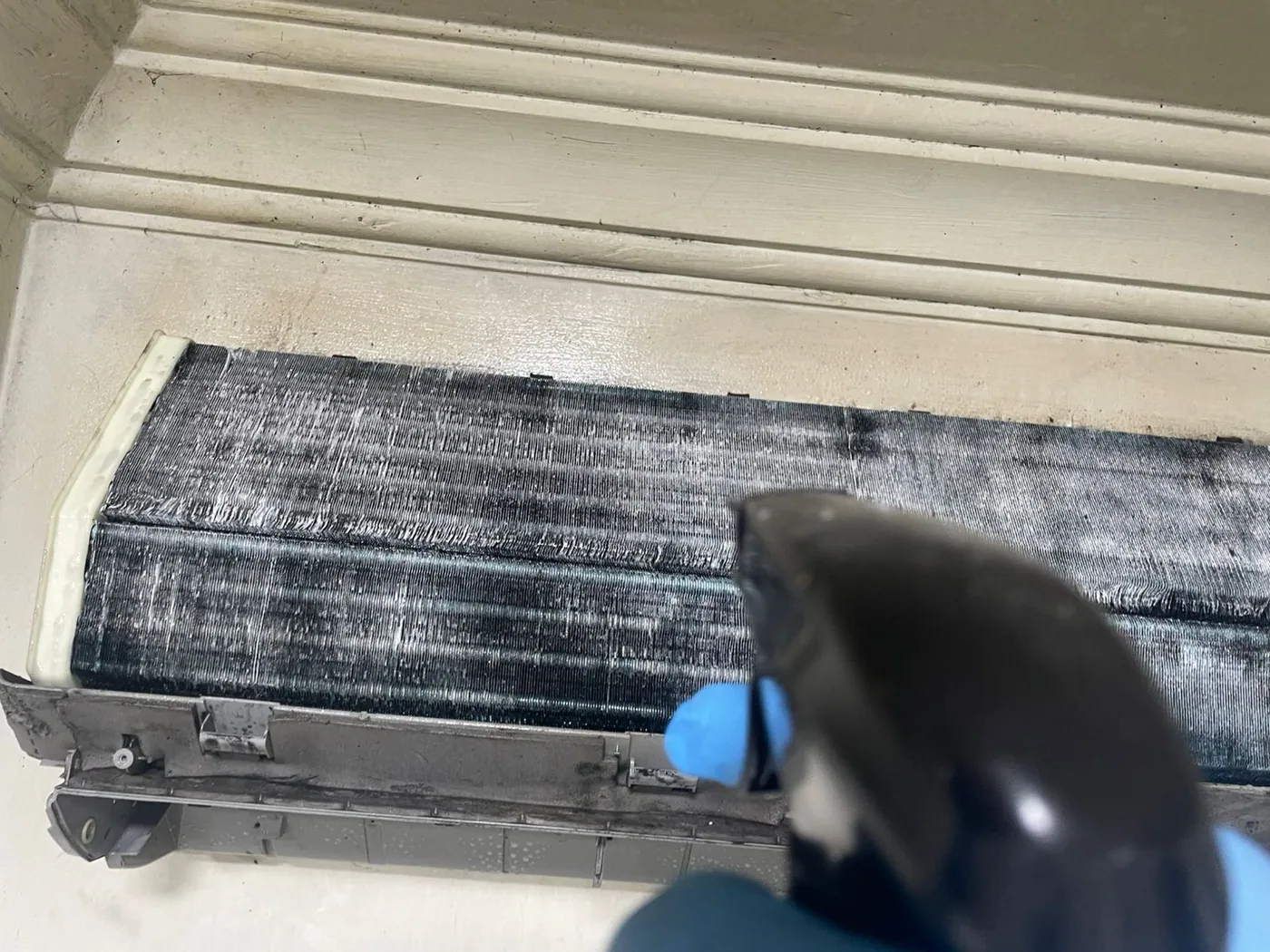
Your AC removes humidity, and that water normally runs out through a thin drain hose to the outside. In Batumi’s damp climate that hose clogs easily with algae, dust and mould slime; once it’s blocked, the water backs up in the drain pan and overflows into the room. A blocked drain is by far the most common cause of an indoor water leak.
Clearing and flushing the drain line fixes it. It’s also exactly what a deep clean prevents — a unit serviced before summer rarely leaks from a blocked drain.
A dirty filter or a frozen coil
A clogged filter starves the coil of airflow, the coil drops below freezing, and ice forms on it. When the unit cycles off, that ice melts all at once — more water than the drain pan can hold, so it overflows indoors. The same thing happens if the refrigerant charge is low from a leak.
If you see ice on the indoor unit or the pipes, switch it off, let it fully thaw, and check the filters. If it freezes again after a clean filter, the cause is usually low refrigerant and needs a leak diagnosis, not just a top-up.
Bad installation — the wrong slope or a loose pipe
A drain only works by gravity, so the indoor unit and its drain hose must tilt slightly toward the outside. If the unit was mounted level or the hose runs uphill, water can’t escape and drips back into the room. A loose or disconnected drain fitting, or pipe insulation that has slipped, causes the same thing.
This is an installation fault, not wear and tear — and it’s why we set the fall correctly and pressure-check the drain on every install. If a recently fitted unit leaks, the slope or a fitting is the first place to look.
What you can check — and when to call
Safe to do yourself: switch the unit off to stop the leak, take out and rinse the filters, and check that the outdoor end of the drain hose isn’t crushed, kinked or buried. If clean filters and a clear hose end solve it, you’re done.
Call a technician if the drain is blocked deep in the line, the coil keeps freezing, there’s ice on the pipes, or the leak started after a new installation. We clear the drain, find any refrigerant leak, and correct the slope so it stays dry — with a fixed quote before any work in Batumi.
Frequently asked questions
Is the water leaking from my air conditioner dangerous?
The water itself is just condensate, but where it goes matters: it soaks plaster and flooring, feeds mould inside the wall, and if it tracks into an electrical connection it becomes a shock and short-circuit risk. Switch the unit off, catch the water, and get the drain checked rather than living with it.
Why is water dripping from the outdoor unit?
In cooling mode a little water from the outdoor unit is normal in Batumi humidity. In heating mode it is expected and can be substantial — the outdoor coil sheds meltwater during defrost cycles. Water indoors is the problem; water outside usually is not, unless it is running somewhere it should not.
Can I fix a leaking air conditioner myself?
You can rinse the filters and check nothing is blocking the outdoor drain outlet. What you should not do is dismantle the indoor unit to reach the drain pan — that is where the electrics and the coil are. Blocked drain lines need flushing properly; Imia does a water-leak check in Batumi from 50 GEL.