How Often Should You Clean Your Air Conditioner in Batumi?
Our humid coastal air builds up mould and grime inside a unit faster than in a dry climate. Here’s a realistic cleaning schedule and the signs you’ve left it too long.
A clean air conditioner cools harder, runs quieter and uses less electricity — but in Batumi it gets dirty faster than the manufacturer’s manual assumes. Salt-laden, humid sea air feeds mould and bacteria inside the unit, so the once-a-year advice written for a dry climate often isn’t enough here. This guide gives a realistic schedule and the warning signs to watch for.
The short answer
For a home split system in Batumi, do a full deep clean once a year — ideally in spring, before the heavy summer season starts. If the unit runs most of the day, there are pets in the home, or you’re near the boulevard where the air is saltiest, twice a year is closer to right.
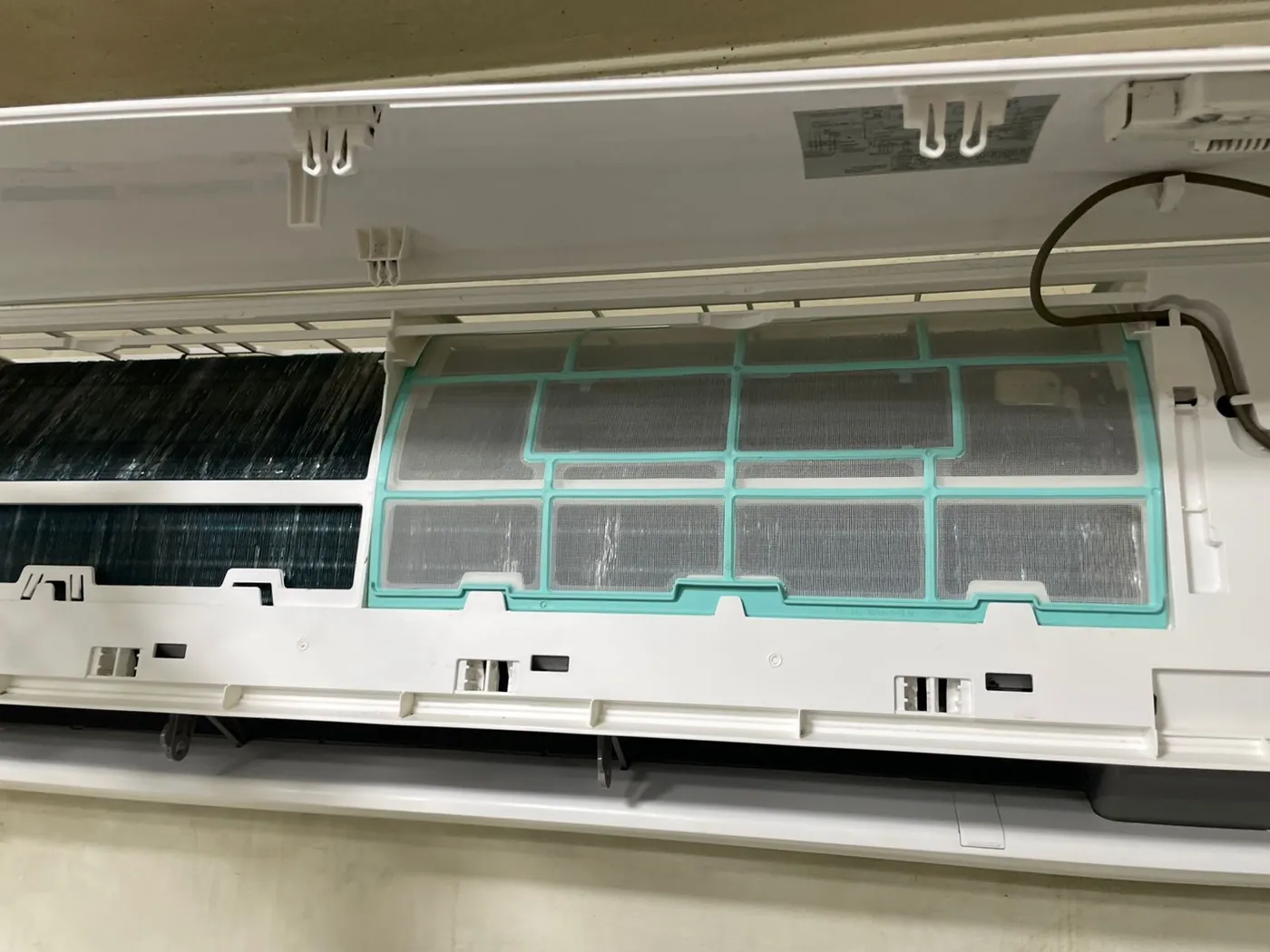
Filters are different: rinse them yourself every two to four weeks during summer. That five-minute job protects airflow and stops most problems before they start.
Why Batumi units get dirty faster
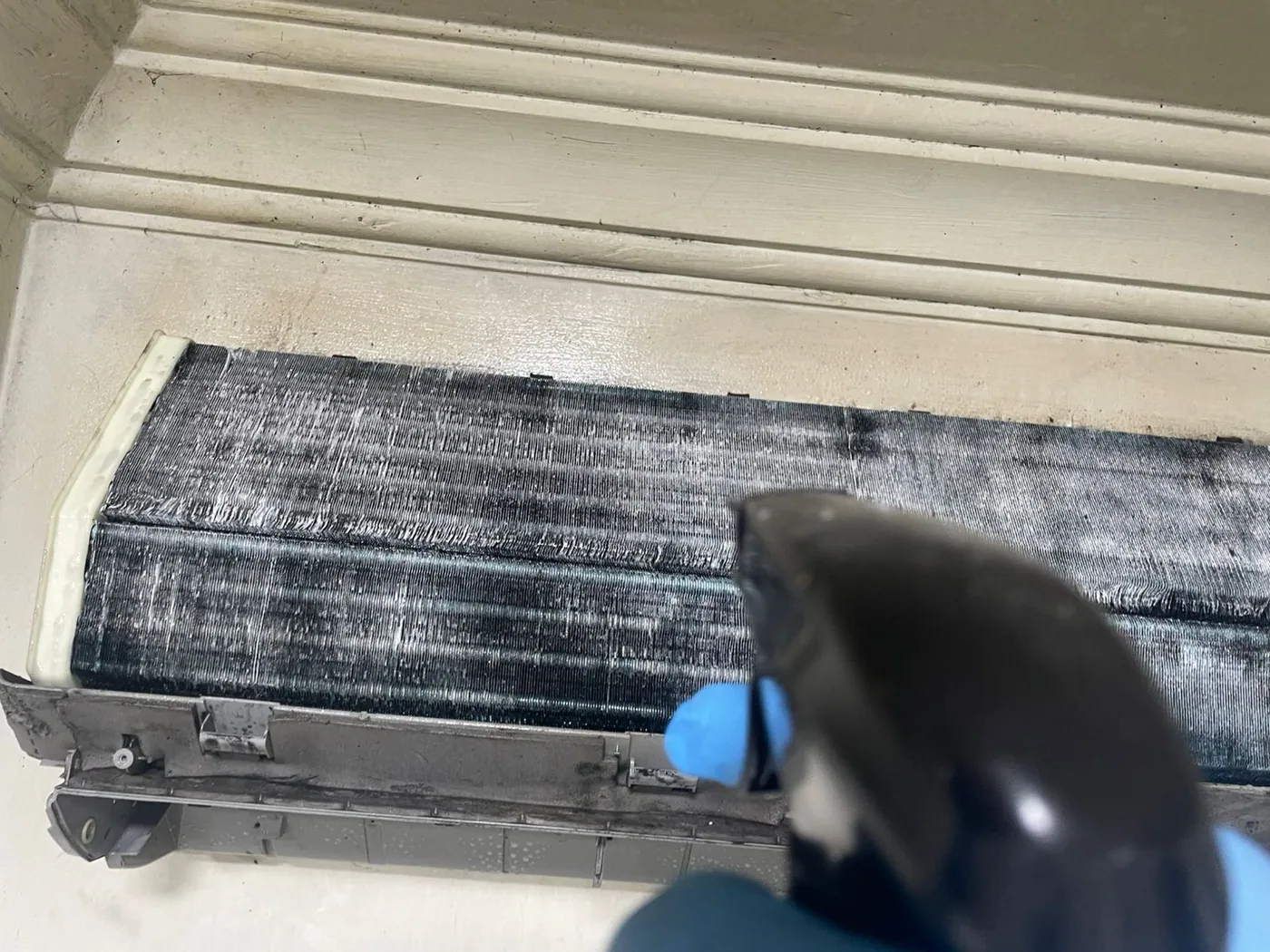
Humidity is the issue. The cold coil inside the indoor unit sweats constantly, and that damp, dark space is a perfect home for mould and bacteria. Add coastal dust and pollen, and within a season the heat-exchanger fins and the blower drum are coated in a grimy film.
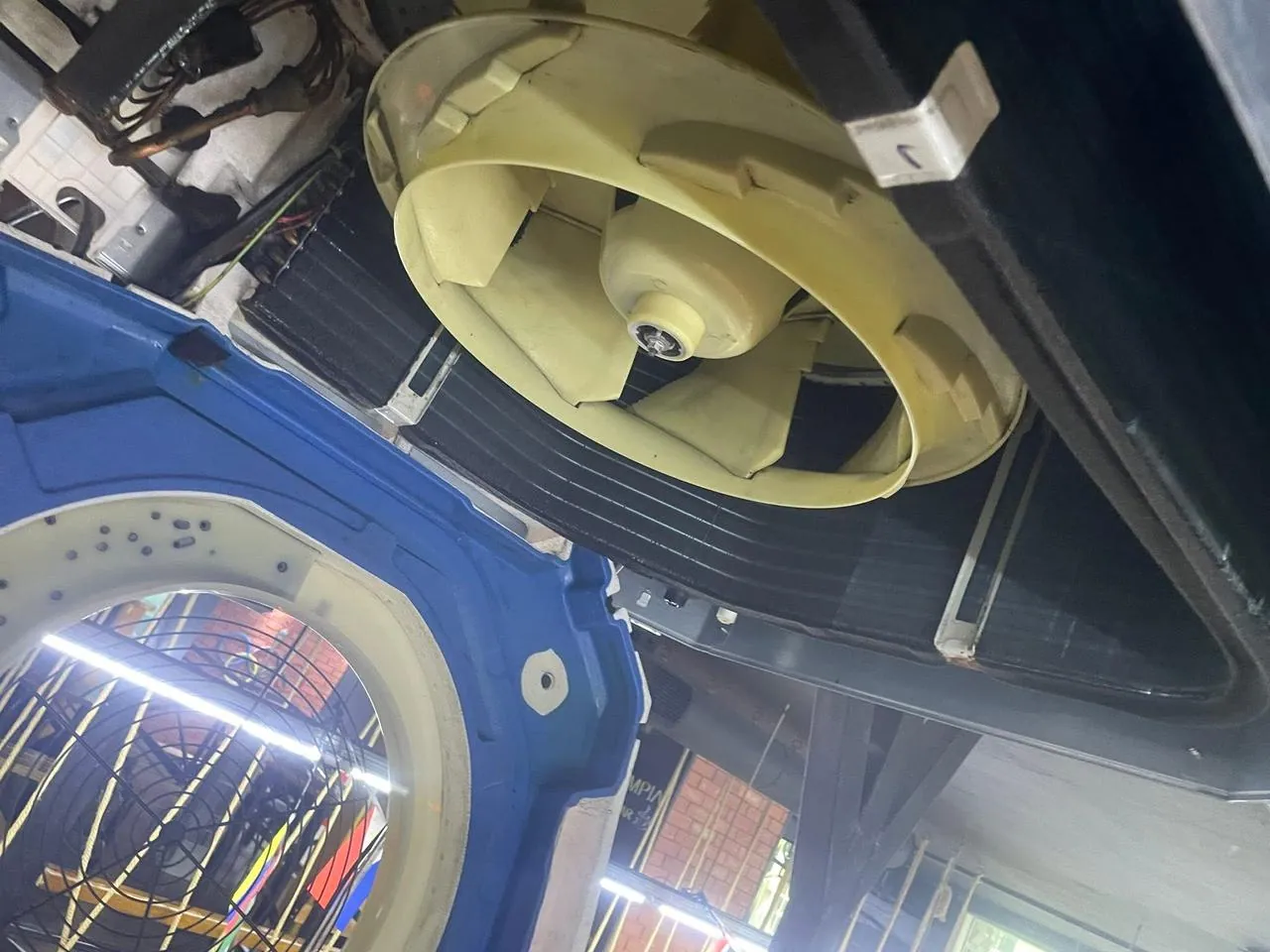
Cassette units in shops, offices and cafés have it worse — they run longer hours and sit high up where nobody notices the build-up until the airflow weakens or a musty smell appears.
Signs it’s overdue
A musty or sour smell when the unit starts is the clearest signal — that odour is mould being blown into the room. Weak airflow, water dripping from the indoor unit, longer cooling times and a higher electricity bill all point the same way.
If you can see grey fuzz on the filters or fins through the front grille, the inside is far worse. At that point a surface wipe won’t fix it — the unit needs a proper strip-down.
What a real deep clean involves
A genuine deep clean is a full strip-down, not a filter rinse. Every part the air touches — filters, heat exchanger, blower drum, drain pan and casing — is removed, washed and sanitised, then the unit is reassembled and tested. That’s what clears odours and restores full airflow.
Ceiling cassettes need their own chemical wash because the fan and drum sit deep inside the housing. If your unit is still weak after a clean, or you’re topping up gas every year, the cause may be a refrigerant leak rather than dirt — that’s a separate diagnosis.
Frequently asked questions
When is the best time of year to clean an air conditioner?
Spring, before the cooling season starts — the unit has sat damp and unused, and whatever grew over winter is still inside it. Booking in April or May also means you are not waiting for an appointment in the July peak, when everyone in Batumi discovers their unit at the same time.
Does the outdoor unit need cleaning too?
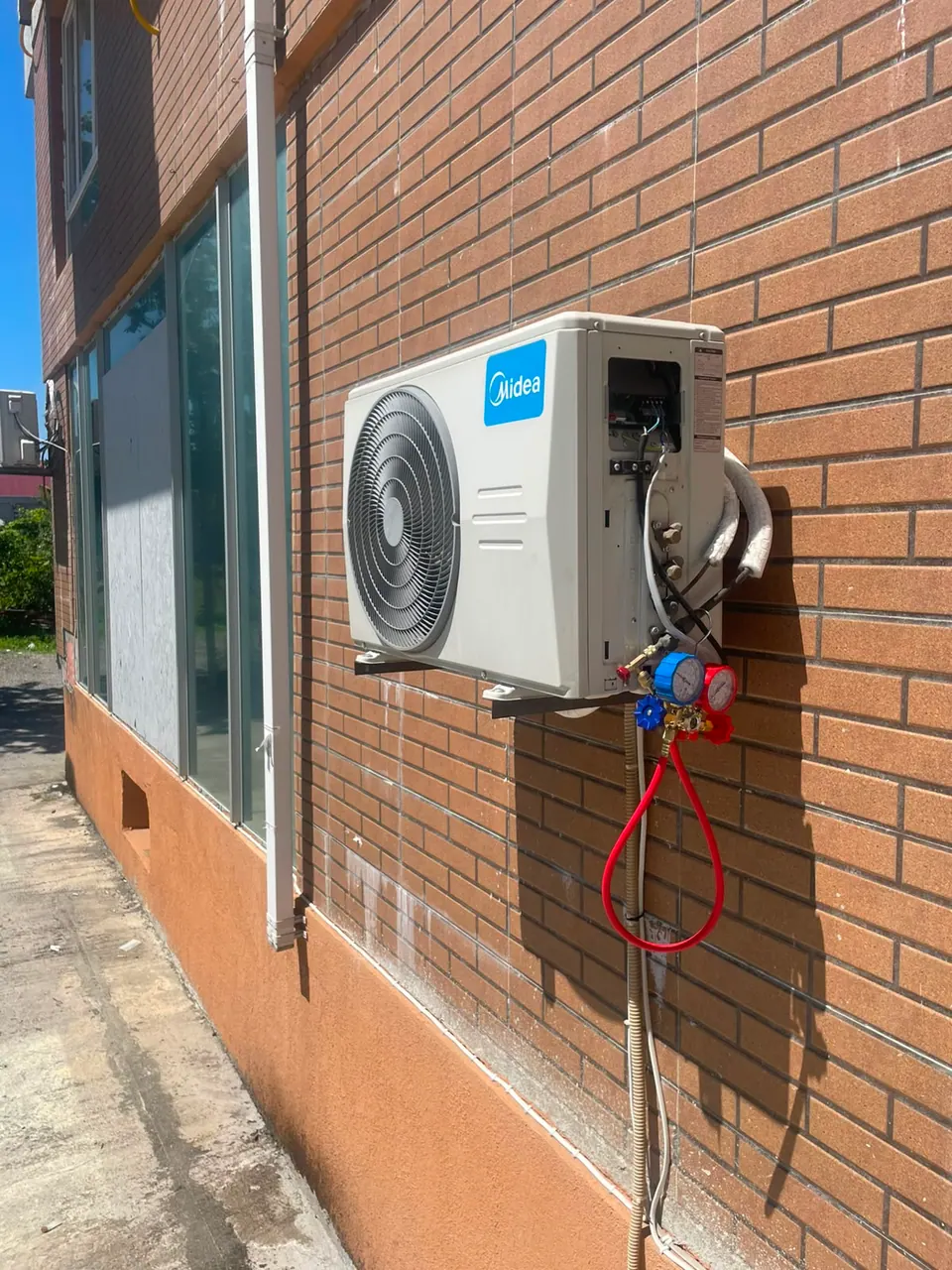
Especially in Batumi. Salt air, dust and plant debris clog the outdoor coil, and a coil that cannot reject heat makes the whole system work harder and cool less. Washing the outdoor coil is part of a proper service and one of the main reasons coastal units last longer when maintained.
How do I know my air conditioner needs cleaning?
Four signs: a damp or sour smell when it starts, visibly weaker airflow, water dripping indoors, or a longer time to cool the room than last summer. Visible grey fuzz on the indoor fins or dark deposits on the blower drum means it is overdue. Imia deep-cleans wall units for 130–150 GEL.